Instagram Advertising for Your Ecommerce: Key Advantages
Key advantages of Instagram advertising for ecommerce: flexible budgets, advanced targeting, Instagram Shopping and multiple ad formats to boost sales.
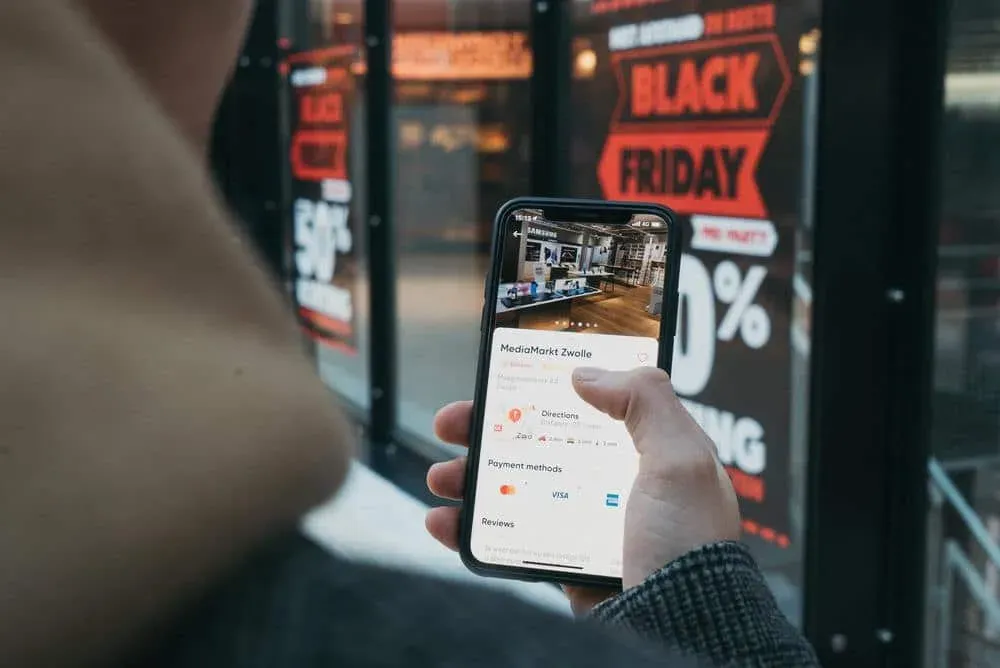
Instagram has 2 billion monthly active users in 2026, and a majority of them use the platform specifically to discover and evaluate products. That’s not a social media statistic — it’s a commercial reality. For ecommerce brands, Instagram advertising offers a combination of purchase-intent audiences, flexible formats, and direct checkout integration that few paid channels can match. For a full overview of how to set up campaigns across the Meta ecosystem, see the guide on Meta Ads ecommerce campaign setup.
Key Takeaways
- 60% of Instagram users discover new products on the platform, and 83% take action after seeing a product they’re interested in, according to Meta for Business (Meta for Business, 2024).
- Reels ads deliver 15-20% lower CPM than Feed placements for awareness objectives, making them the most cost-efficient format for top-of-funnel reach (Hootsuite Digital Trends, 2024).
- Instagram Shopping reduces purchase friction by allowing users to complete transactions without leaving the app, directly increasing conversion rates for eligible accounts.
Why Does Instagram Work for Ecommerce in 2026?
Instagram is not just a large platform. It’s a platform where users are actively primed to discover and buy. According to Meta for Business, 60% of Instagram users discover new products on the platform, and more than 200 million businesses use Instagram every month as part of their marketing strategy (Meta for Business, 2024). The commercial intent embedded in the user experience — product tags, Shopping tabs, shoppable Reels — makes the gap between discovery and purchase narrower than on almost any other social channel.
The Hootsuite Digital Trends 2026 report reinforces this with ecommerce-specific data: Instagram consistently ranks as the top social platform for product discovery among users aged 18-44, the demographic that represents the majority of online consumer spending (Hootsuite Digital Trends, 2024). For most ecommerce categories — fashion, beauty, home goods, sports nutrition, accessories — Instagram’s audience composition is nearly identical to the target customer profile.
The most underappreciated aspect of Instagram for ecommerce is what happens before the ad. Users arrive on Instagram in a discovery mindset — they’re browsing, exploring, and open to new products in a way they’re not when searching Google with specific intent. That state of receptivity means your creative needs to stop the scroll, not answer a query. It’s a fundamentally different creative brief, and accounts that succeed treat it that way.
Which Ad Formats Work Best by Campaign Objective?
Instagram offers five main ad formats: single image, video, carousel, Stories, and Reels. Each performs differently by objective, and choosing the wrong format for your funnel stage is one of the most common efficiency losses in Instagram advertising.
Reels: Awareness and Reach at Lower CPM
Reels ads are the most cost-efficient format for top-of-funnel reach in 2026. According to the Hootsuite Digital Trends 2024 report, Reels placements deliver 15-20% lower CPM compared with Feed placements for awareness objectives, while matching or exceeding Feed performance on brand recall metrics (Hootsuite Digital Trends, 2024).
The reason is inventory. Reels is still relatively under-exploited by advertisers compared to the Feed, meaning less competition for impressions and lower auction prices. This gap is narrowing, but in 2026 it remains a meaningful cost advantage for brands willing to produce vertical-format video.
Reels creative works best when it’s native — content that looks like organic Reels rather than a repurposed Feed ad. The first 1-3 seconds need to stop the scroll without the ad feeling like an interruption. According to Later’s 2024 Instagram benchmark report, Reels ads with a hook in the first two seconds show a 43% higher completion rate than those with a delayed visual or audio hook (Later, 2024).
Stories: Retargeting and Mid-Funnel Engagement
Stories offer full-screen vertical real estate with a natural time limit (up to 15 seconds per card), which creates urgency without requiring it artificially in the copy. For retargeting campaigns targeting people who visited your product pages or added items to cart, Stories consistently show higher engagement rates than Feed ads for the same audience.
According to Sprout Social’s 2024 Instagram advertising analysis, Stories ads in retargeting campaigns achieve an average CTR 1.3x higher than equivalent Feed retargeting ads, because the full-screen format eliminates visual distractions and creates a focused purchase context (Sprout Social, 2024). The swipe-up (now “See More”) mechanic also provides a lower-friction click path than Feed ad buttons.
Stories creative best practices: keep text minimal, use motion even in “static” stories (a subtle zoom or slide animation), and front-load the offer or hook in the first three seconds. The format’s brief duration means every second of creative needs to work.
Carousel: Product Range and Sequential Storytelling
Carousel ads allow between two and ten cards per ad, each with a separate image or video, headline, and destination URL. For ecommerce, this makes carousels ideal for three use cases: showcasing multiple products in the same category, showing multiple angles of a single product, or telling a sequential “before and after” story.
Carousel ads consistently outperform single-image ads in abandoned cart retargeting when each card shows a specific product the user viewed or added to cart. Dynamic carousels pulled from your product catalogue automate this entirely — each user sees the specific products they interacted with, in the order they showed most interest. This personalisation lift is significant: catalogue-driven carousels regularly show conversion rates 2-3x higher than generic retargeting creative.
Single Image: Conversion and Direct Response
Static image ads remain highly effective for conversion objectives when the creative is strong. They’re fast to produce, easy to test in volume, and work across all placements without format adaptation. For bottom-of-funnel campaigns with a clear offer (discount, limited availability, new launch), a clean product image with a direct headline often outperforms more complex video formats.
According to eMarketer’s 2024 social commerce data, single image ads account for 38% of all Instagram ad spend in the ecommerce category, making them the most widely used format despite the growth of video (eMarketer, 2024). Their persistence reflects their continued effectiveness for direct response objectives.
Setting Up Your Product Catalogue for Instagram Ads
The product catalogue is the technical foundation for Instagram’s most powerful ecommerce advertising features: dynamic product ads, Instagram Shopping, and Advantage+ Catalog Ads. Without a correctly configured catalogue, you can’t run personalised retargeting, can’t enable in-app checkout, and can’t use Meta’s dynamic creative optimisation for product ads.
Catalogue setup runs through Meta Commerce Manager at business.facebook.com. The process has four steps:
- Create a catalogue in Commerce Manager and select “Ecommerce” as the catalogue type.
- Connect your product feed, either via a direct URL feed (updated automatically by your platform), a manual CSV upload, or a native integration (Shopify, WooCommerce, BigCommerce all have direct Commerce Manager integrations).
- Verify that your pixel or CAPI is sending product-level events with matching product IDs — this is what enables the “viewed product” and “add to cart” retargeting segments.
- Enable Instagram Shopping by submitting your account for review in Commerce Manager. Approval is required to activate in-app product tags and the checkout feature.
Once the catalogue is live and the pixel is correctly sending product events, you can create Advantage+ Catalog Ad campaigns that dynamically show each user the specific products they’re most likely to buy. For practical advice on getting the most out of those campaigns, see the guide on improving ROAS from Meta catalogue campaigns.
Targeting: How to Build Audiences That Convert on Instagram
Instagram advertising runs through Meta Ads Manager, which gives you access to the full Meta audience infrastructure. This is one of Instagram’s primary advantages over platforms like Pinterest or TikTok — the depth and accuracy of available audience signals are significantly higher because of Meta’s cross-platform data.
According to Meta for Business (2024), Advantage+ Audience reduces cost per acquisition by up to 32% compared with manual interest-based targeting, because it draws on broader optimisation signals across the Meta ecosystem rather than being constrained by manual audience selections (Meta for Business, 2024). For ecommerce advertisers, this makes Advantage+ Audience the recommended starting point for cold traffic campaigns.
For ecommerce advertisers, the most effective Instagram audience structure in 2026 uses three layers:
Cold audiences for top-of-funnel: Advantage+ Audience (which lets the algorithm find buyers without manual targeting constraints) or lookalike audiences built from your highest-value customers. According to Meta for Business, Advantage+ Audience reduces CPA by up to 32% compared with manual interest-based targeting by using broader optimisation signals (Meta for Business, 2024).
Warm audiences for mid-funnel: people who have engaged with your Instagram profile, watched your video ads, or visited your website in the past 30-60 days. These users know your brand and need a more specific message about your products, not a general brand introduction.
Custom audiences for retargeting: cart abandoners, product page viewers, and past purchasers. These are your highest-intent segments and warrant your most direct, offer-led creative. Cart abandoners in particular respond well to urgency-based Stories ads with a specific product shown. The guide on building lookalike audiences from your best customers explains how to structure those cold-audience layers for maximum efficiency.
The targeting structure that consistently underperforms in Instagram ecommerce accounts is a single conversion campaign targeting cold audiences with a purchase objective and no funnel structure above it. Without warm and top-of-funnel campaigns building brand awareness and retargeting pools, the conversion campaign’s cold audience never becomes “warm” — and cold conversion CPAs remain high no matter how well the creative performs.
Creative Best Practices for Instagram Ecommerce Ads
Creative quality is the most controllable variable in Instagram advertising performance. Targeting and bidding can be automated, but the hook, the visual, and the offer have to come from you.
For ecommerce, the creative principles that produce the most consistent results in 2026:
Show the product in use, not just on a white background. According to Sprout Social’s 2024 Instagram advertising data, lifestyle imagery showing products in real-world context generates 26% higher CTR than studio product shots for cold audience campaigns (Sprout Social, 2024). Users connect more easily with products they can see themselves using.
Lead with the outcome, not the product. Your hook should answer “what does this do for me?” before it introduces what the product is. A skincare brand that opens with “Clearer skin in 14 days” will stop more scrolls than one that opens with “Introducing our new vitamin C serum.”
Match creative format to placement. Vertical 9:16 for Reels and Stories. Square 1:1 or landscape 4:5 for Feed. An ad designed for the wrong aspect ratio signals low production quality and reduces CTR.
Test at least four creative variations per ad set. Meta’s algorithm needs genuine variety to optimise effectively. Four different hooks, offers, or visual approaches give the delivery system meaningful data to work with. Later’s 2024 benchmark report found that ad sets with four or more creative variations exit the learning phase 20% faster than those with one or two (Later, 2024).
Instagram Shopping: Reducing Purchase Friction
Instagram Shopping allows eligible business accounts to tag products in organic posts, Reels, and Stories, and to run ads where users can complete a purchase directly within the Instagram app without visiting an external website. The checkout experience is native to Instagram, reducing the friction between discovery and purchase.
The commercial case for minimising checkout friction is well established. According to eMarketer’s 2024 social commerce forecast, social commerce sales through in-app checkout features (Instagram, TikTok, Pinterest) are growing at 27% year-over-year, driven primarily by the reduction in drop-off between discovery and purchase decision (eMarketer, 2024).
To enable Instagram Shopping and in-app checkout, your account must meet Meta’s commerce eligibility requirements: a linked Facebook Page, a compliant product catalogue in Commerce Manager, and a business location in a supported market. Once approved, you can tag products in both organic content and paid ads, creating a seamless path from ad impression to completed purchase.
Measuring ROAS on Instagram: What to Track and How
Instagram campaign performance should be measured through Meta Ads Manager, not through Instagram’s native app. Ads Manager provides the full attribution data, including post-click and view-through conversions, audience overlap analysis, and creative performance breakdowns.
The key metrics for ecommerce Instagram campaigns:
- ROAS (Return on Ad Spend): revenue generated per euro spent. Target varies by category and margin, but a benchmark of 3-4x ROAS is a common starting point for direct-to-consumer ecommerce.
- CPM (Cost per 1,000 impressions): your cost efficiency signal. Track this by placement to identify where your budget is working hardest.
- CTR (link click-through rate): the ratio of link clicks to impressions. For cold traffic campaigns on Instagram, 0.8-1.5% is a typical range; retargeting campaigns should run significantly higher.
- Cost per Purchase: the ultimate conversion metric. Compare this against your product margin to assess campaign profitability, not just efficiency.
Meta’s attribution windows have changed significantly since iOS 14. The default 7-day click, 1-day view window captures most ecommerce conversions, but reviewing 1-day click data in parallel helps identify campaigns driving immediate action versus those contributing to a longer consideration cycle.
Frequently Asked Questions
How much does Instagram advertising cost for an ecommerce brand?
Instagram advertising costs vary significantly by category, audience, format, and competition level. HubSpot’s benchmark data puts average CPC for Instagram ads between $0.70 and $1.00, but ecommerce categories in competitive niches (fashion, beauty) can run significantly higher (HubSpot, 2024). Reels placements typically cost 15-20% less per thousand impressions than Feed placements, according to Hootsuite’s 2024 data (Hootsuite Digital Trends, 2024).
Do I need a product catalogue to advertise on Instagram?
You don’t need a catalogue for all ad types, but you do need one to run dynamic product ads, enable Instagram Shopping tags, and use Advantage+ Catalog Ads. For standard static image or video ads without dynamic product personalisation, a catalogue is optional. For ecommerce brands with more than 10-15 SKUs, setting up a catalogue unlocks enough additional capability to make it worth doing from the start.
Should I use Meta Ads Manager or manage Instagram ads from the app?
Always use Meta Ads Manager. The Instagram app’s “Boost Post” feature provides very limited targeting, objective, and reporting options compared with Ads Manager. According to Social Media Examiner’s 2024 survey of Instagram advertisers, accounts managed through Ads Manager show an average 34% lower CPA than accounts managed through the Instagram app boost function (Social Media Examiner, 2024).
What is the best objective for a new ecommerce brand with no pixel data?
Start with traffic or engagement objectives for the first two to four weeks to build pixel data and warm audience pools. Once your pixel has recorded at least 500-1,000 conversion events, switch to a purchase or add-to-cart conversion objective. This sequenced approach gives the algorithm the data it needs to optimise conversion campaigns effectively. Later’s 2024 benchmark report confirms that accounts building pixel data before launching conversion campaigns see 31% lower CPAs in weeks three to eight compared with accounts that launch purchase campaigns cold (Later, 2024).
Are Instagram ads better than Facebook ads for ecommerce?
The question is less about which platform is “better” and more about which placement mix is right for your audience. For most ecommerce brands targeting users under 45, Instagram placements consistently drive lower CPM and higher engagement than Facebook Feed alone. Running both through Meta Ads Manager with Advantage+ Placements active allows the algorithm to find the most cost-efficient inventory across the full Meta family, which typically outperforms either platform in isolation.
Sources
- Meta for Business — Instagram Shopping
- Meta for Business — Advantage+ Audience
- Hootsuite Digital Trends 2024
- Later — Instagram Benchmark Report 2024
- Sprout Social — Instagram Advertising Analysis 2024
- eMarketer — Social Commerce Forecast 2024
- HubSpot — Instagram Advertising Costs
- Social Media Examiner — Instagram Ads Survey 2024
- Why Does Instagram Work for Ecommerce in 2026?
- Which Ad Formats Work Best by Campaign Objective?
- Reels: Awareness and Reach at Lower CPM
- Stories: Retargeting and Mid-Funnel Engagement
- Carousel: Product Range and Sequential Storytelling
- Single Image: Conversion and Direct Response
- Setting Up Your Product Catalogue for Instagram Ads
- Targeting: How to Build Audiences That Convert on Instagram
- Creative Best Practices for Instagram Ecommerce Ads
- Instagram Shopping: Reducing Purchase Friction
- Measuring ROAS on Instagram: What to Track and How
- Frequently Asked Questions
- How much does Instagram advertising cost for an ecommerce brand?
- Do I need a product catalogue to advertise on Instagram?
- Should I use Meta Ads Manager or manage Instagram ads from the app?
- What is the best objective for a new ecommerce brand with no pixel data?
- Are Instagram ads better than Facebook ads for ecommerce?
- Sources

Could your ad campaigns
perform better?
30 minutes to review your situation and tell you exactly what I would change. No pitch, no sales proposal.